
Need help?

If you have searched for a kids table in Australia, you have probably noticed one thing straight away. Prices are all over the place. Some kids tables sit under $50, while others cost several hundred dollars, even though they can look quite similar at first glance.
So what actually explains the gap? And more importantly, what makes one kids table better value than another?
This guide breaks down what affects kids table prices in Australia, what those differences mean in everyday use, and how to decide what is reasonable to pay without falling into the cheap now replace later cycle.
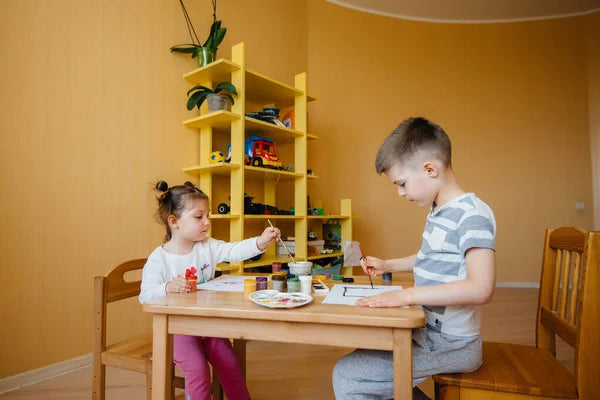
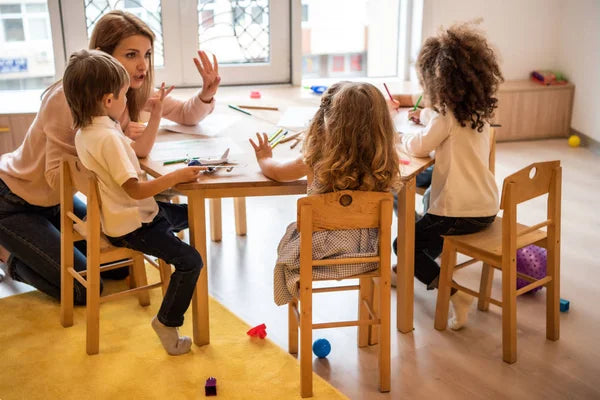
Prices change regularly and vary between retailers, but most kids tables in Australia tend to fall into a few broad categories:
These ranges are a general guide only, but they help explain why two tables that look similar online can be priced very differently.
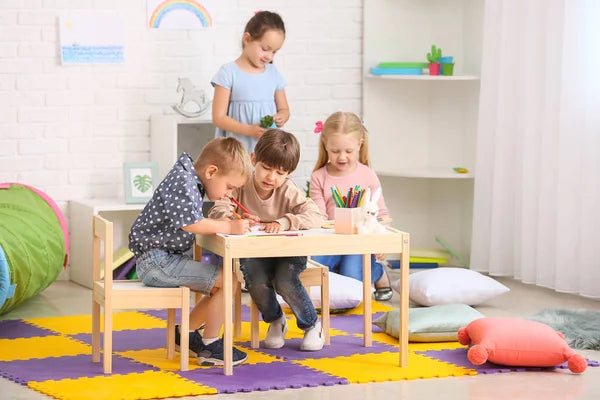
Plastic kids tables are usually the cheapest option. They are lightweight, easy to wipe down, and work well for occasional use.
Wooden kids tables typically cost more because they use heavier materials, involve more manufacturing steps, and are designed to handle daily use without wobbling or flexing over time.
Some listings show a table price that does not include chairs, while others are sold as complete sets. A lower headline price can look appealing until you factor in the cost of buying matching chairs separately.
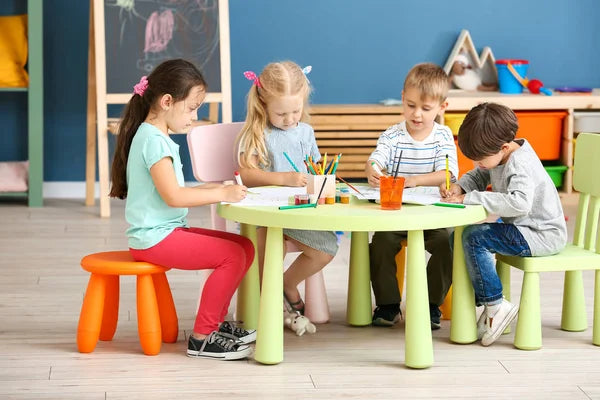
Details like joint construction, fixings, surface finishes, and weight ratings all affect cost and longevity. Better built tables tend to stay stable over time, even with daily climbing, leaning, and energetic play.
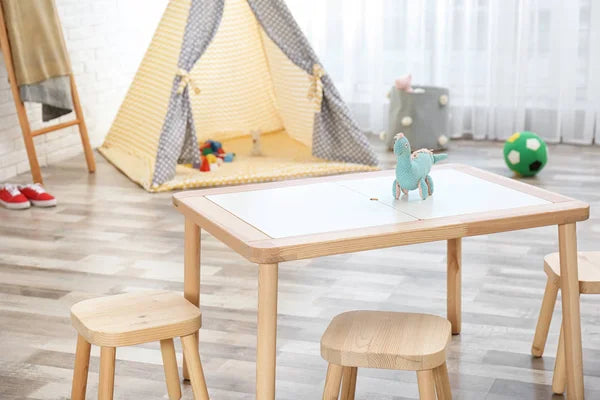
Tables designed specifically for kids usually account for tipping risk, rounded edges, and appropriate height proportions. These details matter, particularly for younger children, and they often push prices higher than basic furniture that is not purpose built for kids.
Some kids tables are designed only for toddlers, while others are sized to suit children for several years. A table that works from preschool through early primary school will usually cost more upfront. If homework is the main use, a kids study desk may suit better than a play table.
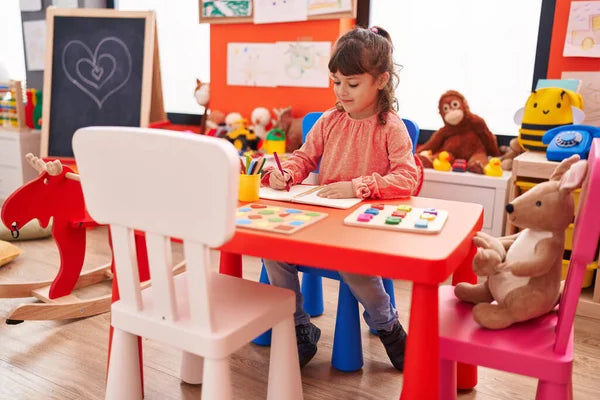
Flat pack tables are cheaper to ship and store, which can lower retail prices. Heavier wooden sets tend to cost more due to materials, packaging, and freight.
Large retailers usually focus on entry level kids tables at lower price points. These are often designed for short term use, smaller spaces, and simple setups, which suits occasional activities or tighter budgets.
Specialist kids furniture stores tend to focus on tables designed for daily use, clearer sizing, matched chair heights, and longer usable lifespans. Prices are often higher, but so is the expected durability. Schools and centres buying in volume usually look at commercial grade classroom furniture rather than home ranges.
Neither approach is wrong. It simply depends on how the table will actually be used.
This is where price alone can be misleading.
A cheaper kids table can make sense if it is used occasionally or for a short phase. But when tables are used every day for drawing, homework, eating, crafts, and play, the downsides often appear quickly:
Replacing a cheaper table once or twice often costs more in the long run than buying a better quality option upfront.
If you want a more detailed breakdown of sizing, chair height, and how to choose the right set, we have put together a practical guide here:
Kids Table and Chairs Buying Guide
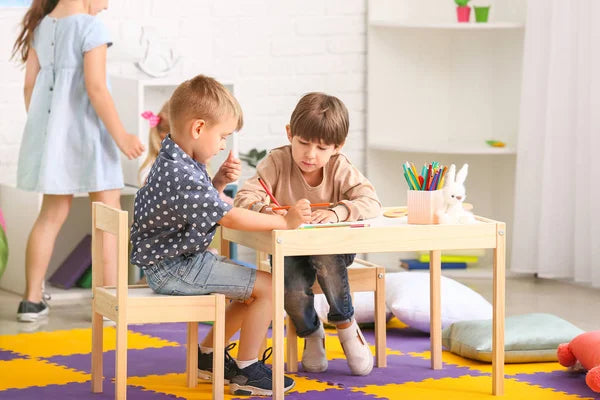
For most Australian families, spending a little more upfront usually means a kids table that lasts longer and actually gets used every day, not just for a few months.
A reasonable price isn't about being the cheapest. It's about finding a table that suits how your kids live, play, and grow, without needing constant replacement.
When you factor in durability, stability, and daily use, many parents find that mid-range to higher-quality kids tables end up being the better value choice over time.
Ready to compare? Browse our full range of kids tables and chairs, or see all kids furniture.